How to run a great sports tournament
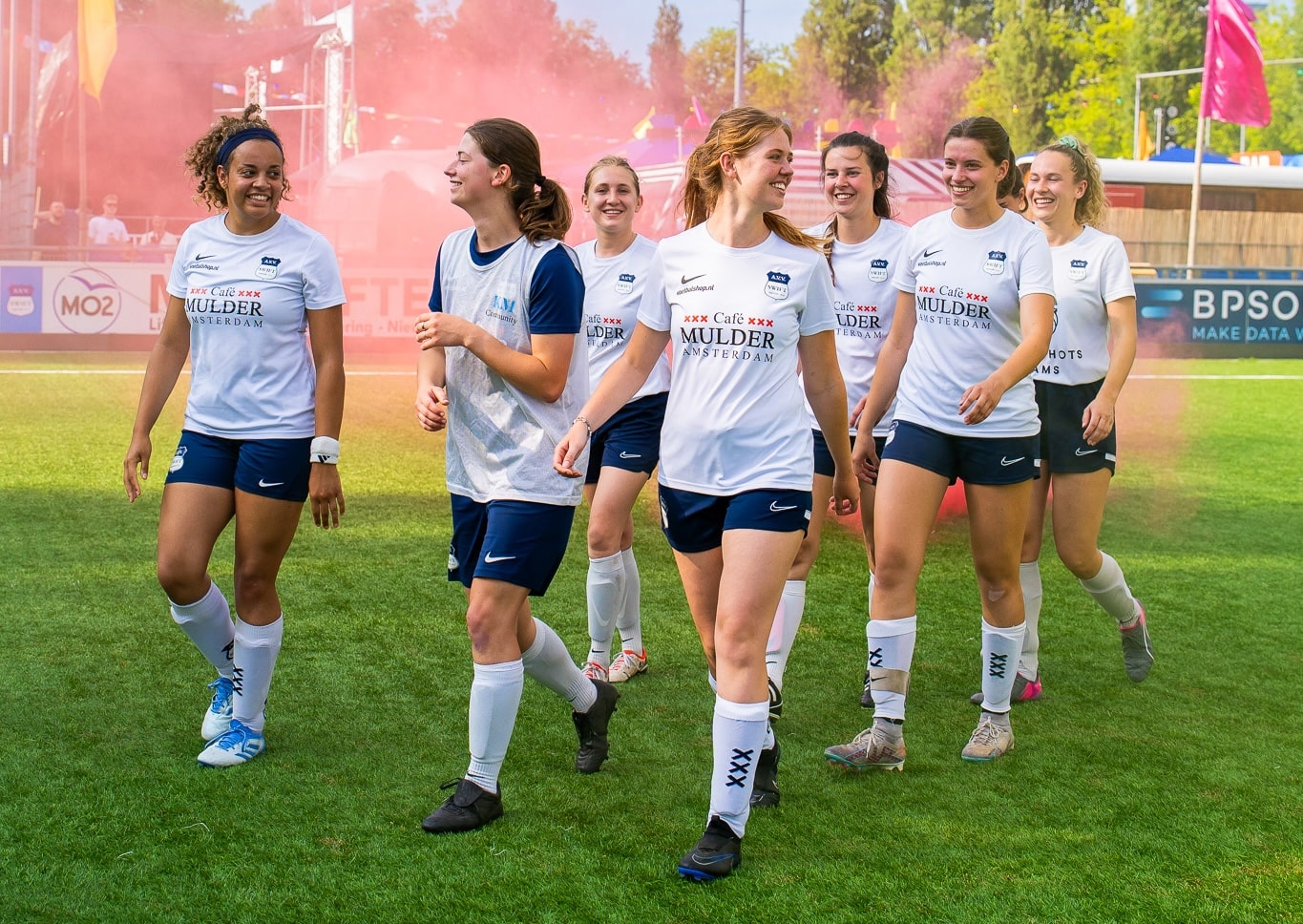
Organising a sports tournament is about much more than putting matches into a schedule. It is an event, an experience and a chance to bring people together. From players and coaches to volunteers, sponsors and supporters. With a solid plan, clear communication and a strong team you create a day no one will forget.
This article walks you through the key steps to setting up a successful tournament, from objectives and budget to venue, programme and evaluation. The common thread: a professional approach, clear division of roles and a focus on experience make all the difference.
If you would like to download our full tournament guide straight away, you can request it for free here.
1. Start with a clear vision
Every strong tournament starts with a clear purpose. Do you want to entertain members, generate extra revenue, attract new audiences or raise the profile of your club?
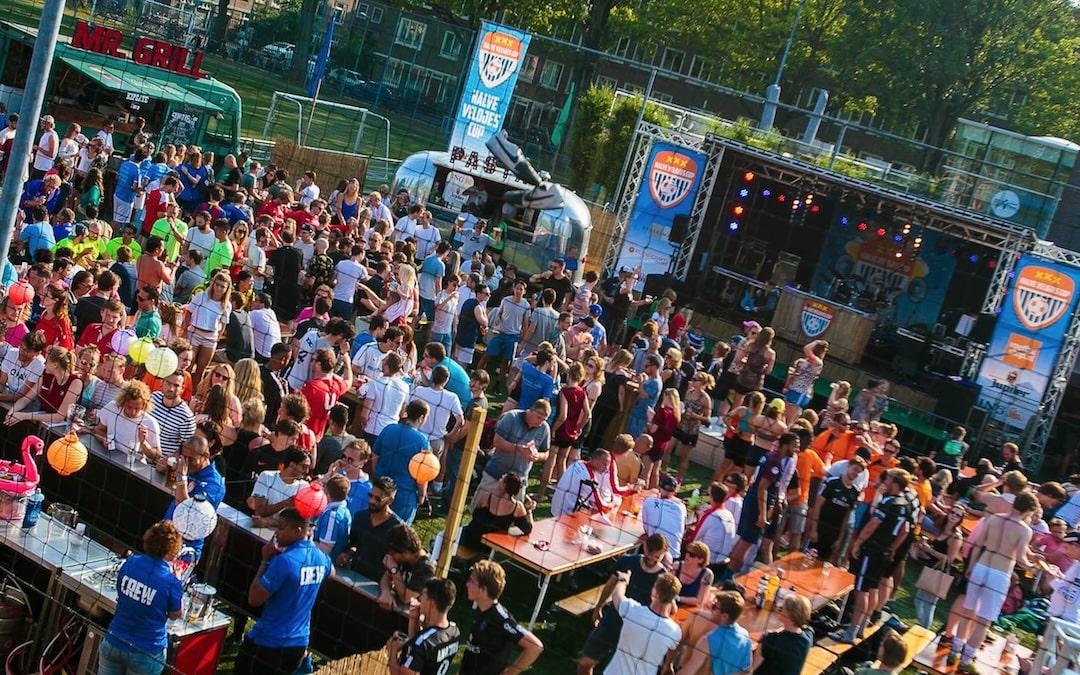
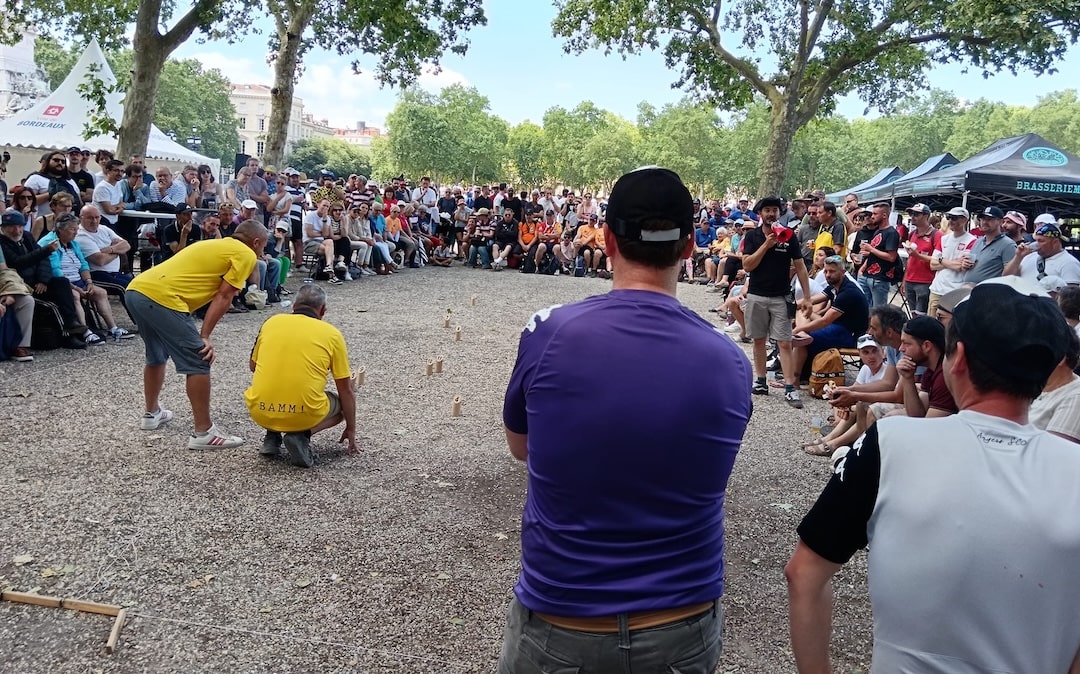
When you define your goals up front, you create direction. From there you can shape a unique concept with its own name, visual identity and experience that fit your club and target group. The idea is to turn your tournament into a mini festival, complete with decoration and atmosphere.
Choosing a fixed date helps you build an audience and bring people back year after year. Finding sponsors, creating a clear budget and assigning responsibilities are essential to keep the organisation on track.
 |  |  |
|---|
2. Communication makes the difference
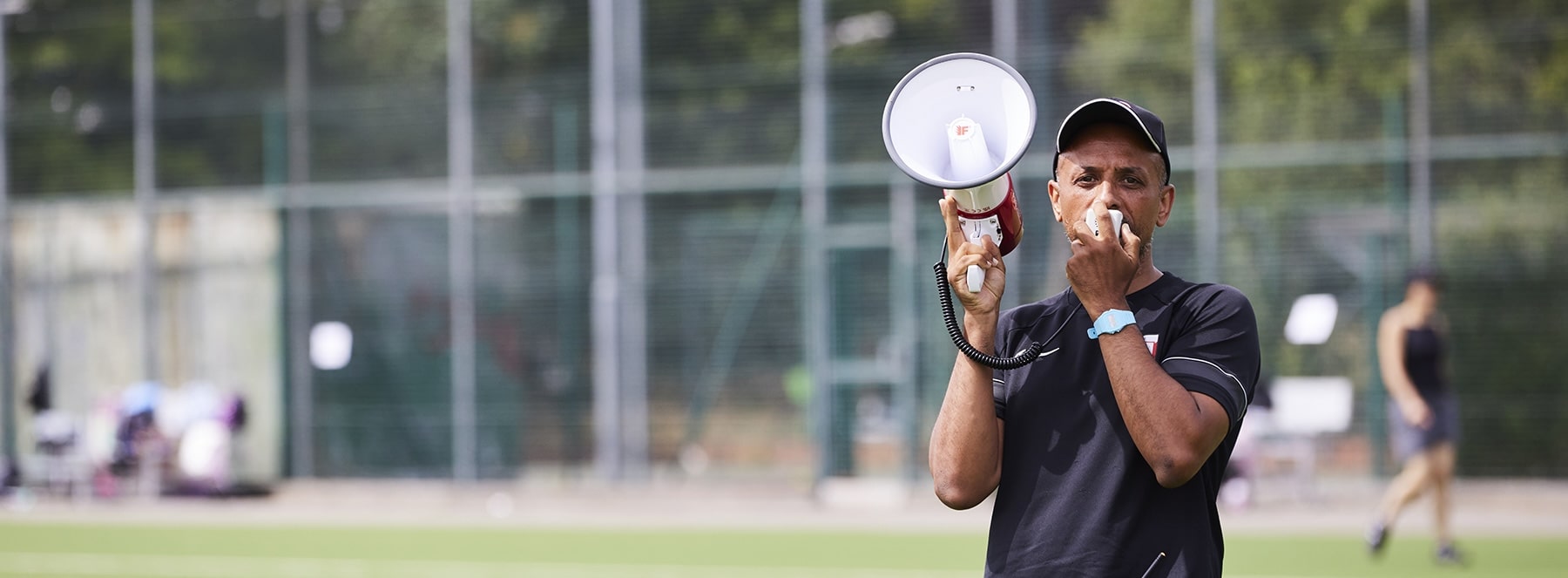
A good tournament starts weeks or even months before the first whistle. Smart communication prevents organisers from being buried under individual questions. Email remains essential, but combining your own channels with club media and local partners increases your reach and promotion.
Key points:
- Use an online registration page
- Inform teams clearly and in good time
- Share updates via your website and social media
- Tap into the network of coaches and team managers
A digital programme booklet quickly proves its worth. Bringing information, fixtures, standings and sponsors together in one place is far more efficient than printouts or scattered emails.
3. The programme: from group stage to finals
A reliable match schedule is the engine of every tournament. In most cases we recommend a mix of group stage and knockout phase. That way every team gets enough playing time and you build towards an exciting finale.
Practical recommendations:
- Plan breaks between matches and phases
- Put the finals at the heart of the day
- Decide in advance how you handle tiebreakers and points
- Finalise the schedule only shortly before the tournament
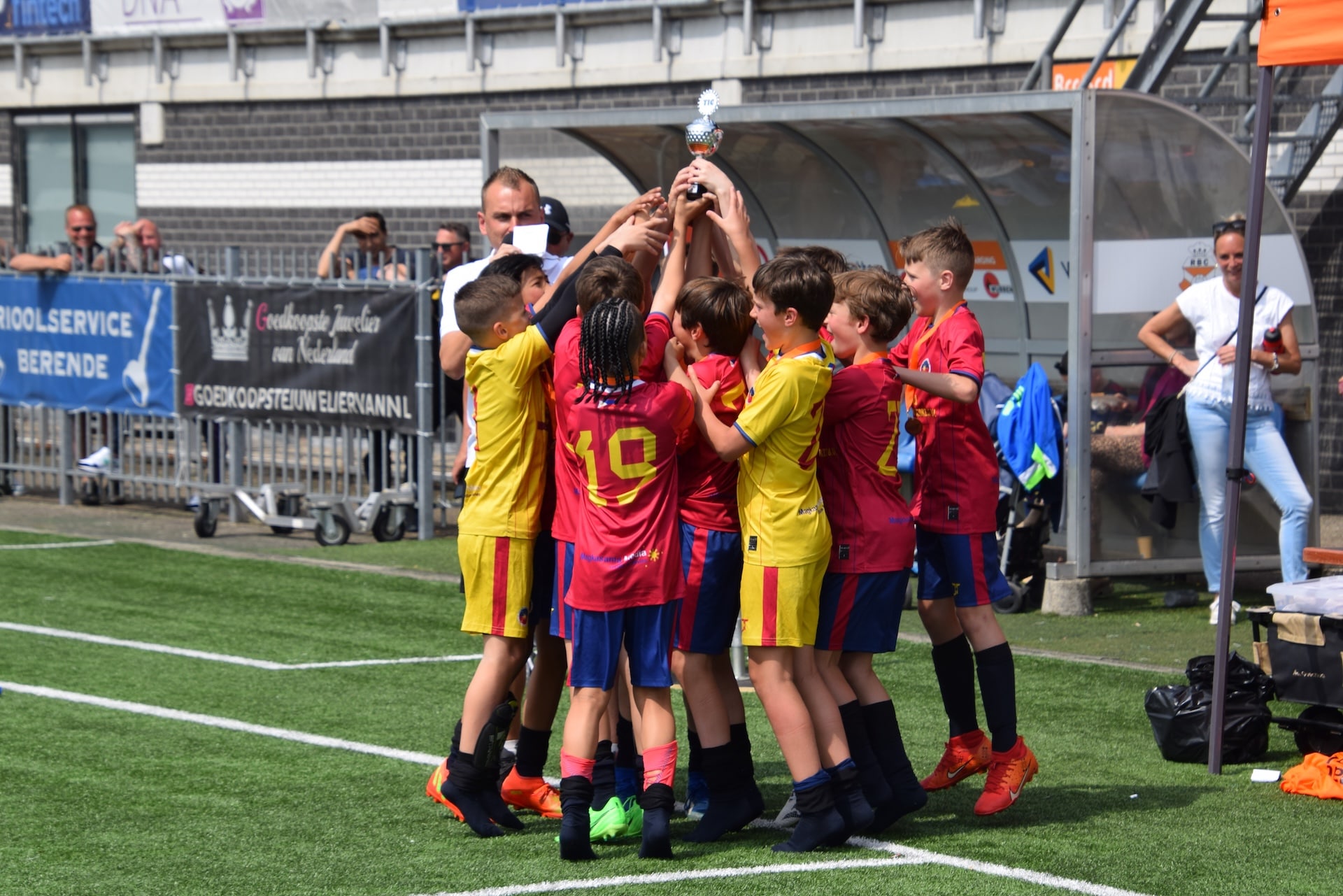
Alongside the matches, side events also play an important role. Think penalty shootouts, esports, inflatables, quizzes, photobooths and much more. Entertainment and prizes add extra shine. A festive award ceremony, music, food trucks, sponsor activations or a DJ turn your sports day into a real community event.
4. Venue and safety: from pitches to first aid
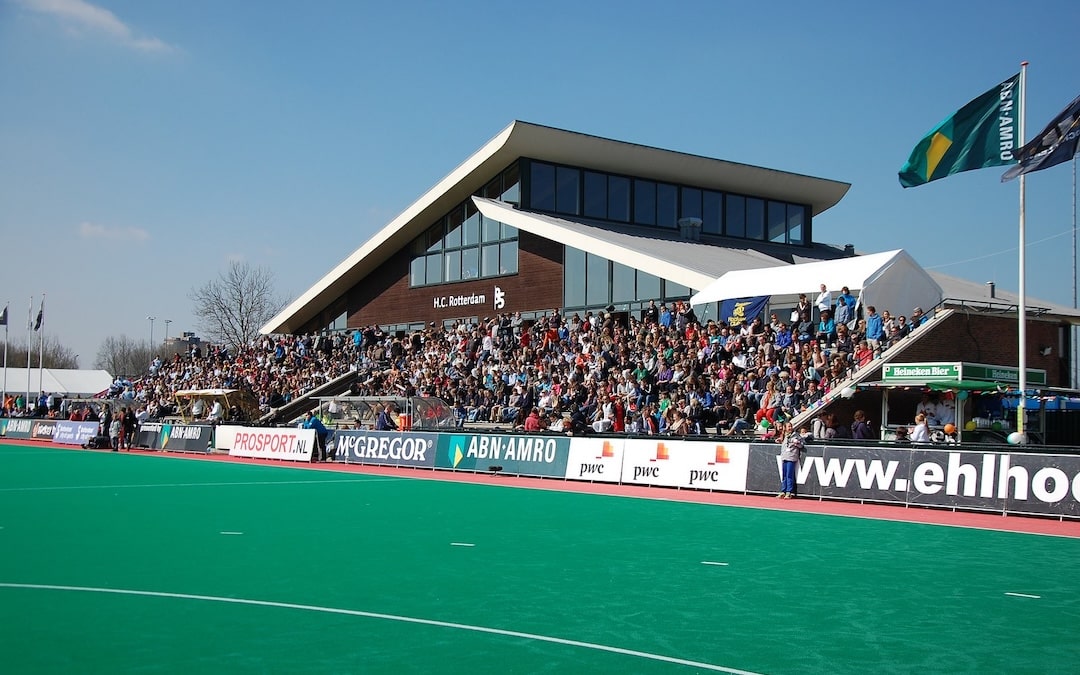
The way you set up your sports complex has a big impact on the experience. Think about how you lay out pitches, where you place the match desk and how you prepare changing rooms.
Key things to consider:
- Make sure all pitches are ready for play
- Place the match desk in a central and visible spot
- Provide clear signage around the venue
- Check accessibility for visitors and emergency services
- Ensure first aid and toilets are in order
- Arrange waste collection and general hygiene
As a rule of thumb you need at least one toilet per 150 visitors and clear signage so visiting teams can find changing rooms and pitches. For catering, think about hygiene, permits, water points and stock.
From a technical point of view, a sound system, presentation screens, power distribution and radios help everything run smoothly.
5. The team: volunteers and roles
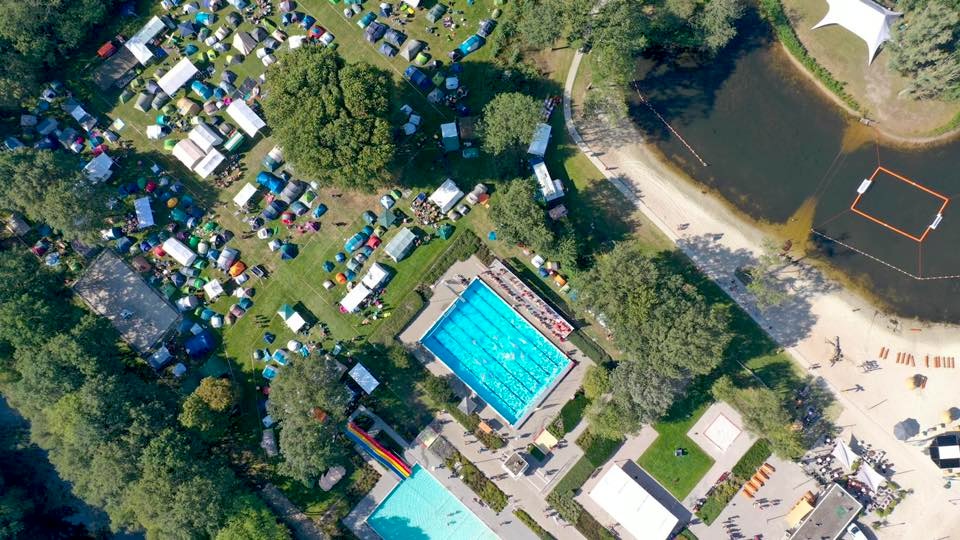
A tournament stands or falls with the people behind it. In practice it helps to divide the work into three main areas:
- Communication
- Programme
- Venue and technical setup
For a large event you spread tasks across several committees. For smaller tournaments one coordinator per area can be enough. Volunteers need to be well informed, well looked after and appreciated. Providing food and drinks and a proper thank you afterwards are part of that.
6. The playbook: the heart of your organisation
A concise playbook makes sure everyone knows:
- When
- Where
- What
- Who
Tables with contact details, materials and the overall schedule create clarity. We include examples of this in our full tournament guide. A shared spreadsheet works perfectly here so everyone can follow along.
7. Evaluation and next steps
Once the tournament is over, take time to reflect. Did you reach your goals, how did the budget hold up and what will you do differently next time? Asking participants for feedback is always a good idea. And of course, share your highlights on social media and announce the next edition.
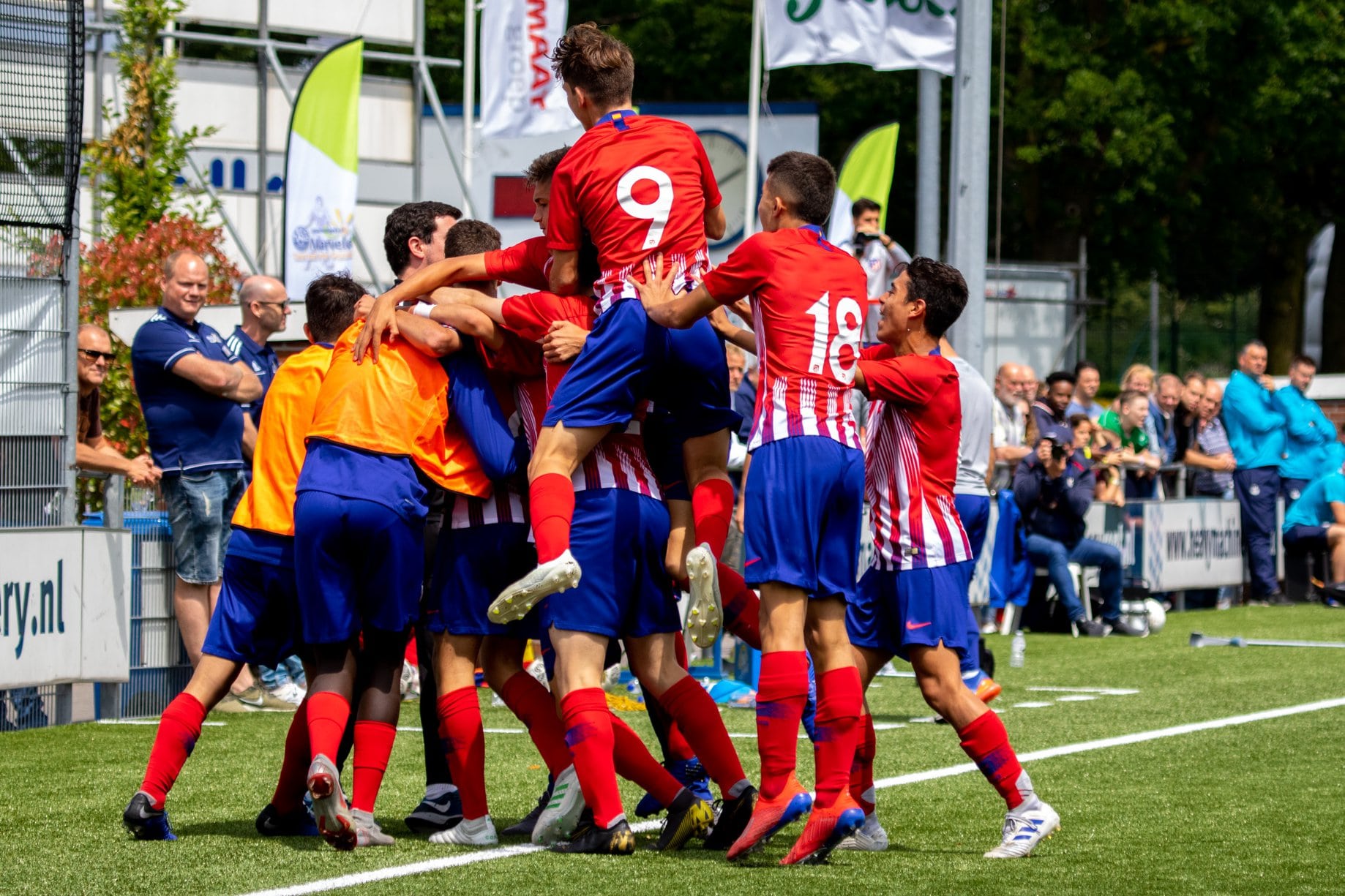
In summary
A successful tournament is built on vision, preparation and experience. When you communicate smartly, divide tasks well and plan the programme carefully, you create space for what really matters: playing sport, meeting people, celebrating and connecting.
From a small club day to a large event, with the right structure and energy you can create a day full of excitement, competition and fun.
A smooth tournament experience starts with a platform that is purpose built for this. With Tournify tournament software every step translates directly into practice. From registrations and match schedules to live standings, presentations and a digital programme booklet, the platform supports the entire organisation in one place. That lets you focus on the experience and the sport, while the technology keeps everything clear and professional. You can start a new tournament in just a few clicks here.
If you would like to dive deeper into the topic and discover more practical tips, we recommend downloading our full tournament guide for free here.